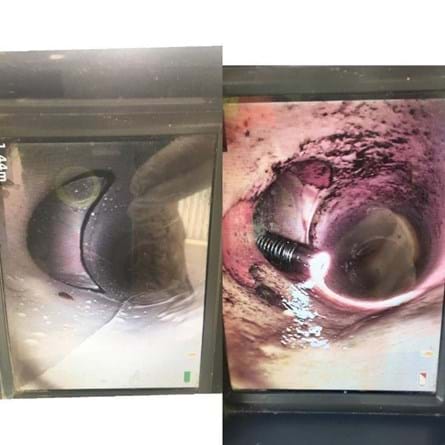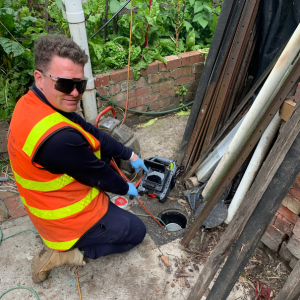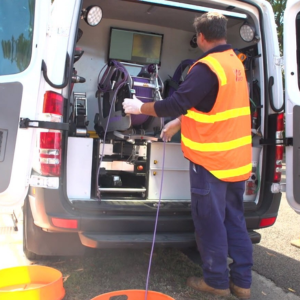
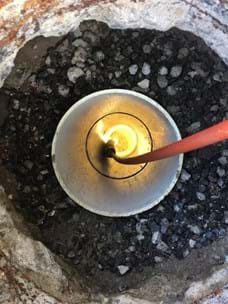
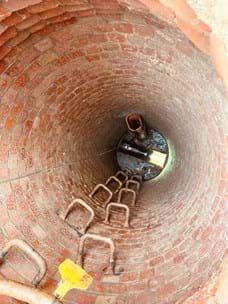
Cured in Place Pipe (CIPP) repair is a cost-effective method for repairing localized defects within a pipe. Cured in Place Pipe (CIPP) is a short-sleeved fiberglass reinforced sheet impregnated with silicate resin. The repair sheet is attached to a packer that is pulled through the pipe and inflated over the defect area. The repair sheet is cured in place and bonded to the existing pipe.Restoring the original structural stability of the pipe. CIPP cross-section repair can be applied to renovated pipe with circular cross-sections of concrete, reinforced concrete, pottery, cement fiber, cast iron, GFP, PVC-U, and cast iron materials. This procedure can be applied regardless of the specified raw material of the pipe being renovated for structural cracking (e.g. radial and longitudinal cracks and combinations of radial and longitudinal cracks), mechanical wear, corrosion, and lateral branching. And connecting leaking pipes Suitable for repairing pipes with a diameter of 100 mm to 800 mm and a repair length of 1,000 mm to 5,000 mm. The length of each repair point is between 500 mm and 5.0 m, depending on the plug material used and the material. It is also possible to repair damaged pipes that have expanded using the overlay technique.
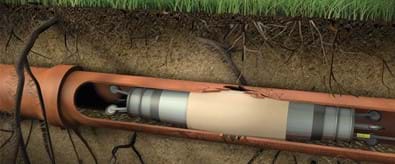
TDM Specialist Repiper Installers can provide more pipe repair solutions than any other provider in Australia. The Repiper is a flexible system that is steam cured to speed up the installation process. The Repiper technology is a specialist tool that enables TDM operators to install pipe at faults, joints and connections that are normally inaccessible to installers. The tool can be pushed or pulled into place and can be installed either vertically or horizontally. The flexibility of the Repiper tool allows it to be installed throughout the plumbing system, including pipe with bends or angles. A wide range of sizes are available in both Y and T styles. For example, 100mm x 50mm T-joints and 80mm x 80mm T-joints are available in almost every style. TDM has a wide range of packer shapes and tools to enable the installation of all joints that cannot be repaired with other CIPP technologies.
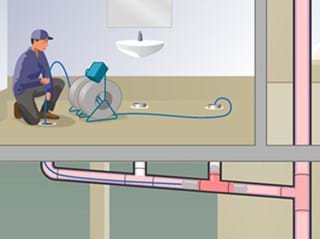
การซ่อมแซมรอยต่อคือวิธีการซ่อมแซมรอยต่อโดยไม่ต้องขุดอีกวิธีหนึ่งที่ TDM เสนอให้สำหรับการซ่อมแซมรอยต่อและจุดเชื่อมต่อ (จุดที่สาขาการเชื่อมต่อมาบรรจบกับท่อระบายน้ำหลักหรือท่อระบายน้ำฝน) รอยต่อและจุดเชื่อมต่ออาจเป็นบริเวณที่มีปัญหารากไม้แทรกซึม ซึมผ่าน และไหลออก TDM มีสามวิธีสำหรับการซ่อมแซมรอยต่อและจุดเชื่อมต่อโดยไม่ต้องขุด ซึ่งใช้เพื่อปิดผนึกและซ่อมแซมรอยต่อและจุดเชื่อมต่ออย่างถาวร ซึ่งผู้เชี่ยวชาญของเราสามารถปรับให้เหมาะกับความต้องการของโครงการได้ วิธีการติดตั้งทั้งสามวิธีมีความคล้ายคลึงกันในแง่ของการติดตั้ง อย่างไรก็ตาม การมีเทคโนโลยีที่แตกต่างกันสามแบบทำให้เรามีความยืดหยุ่นและช่วยให้ TDM สามารถเลือกวิธีที่ดีที่สุดสำหรับโครงการของคุณได้ เทคนิคการติดตั้งมีความคล้ายคลึงกัน โดยที่แพ็กเกอร์หรือกระเพาะปัสสาวะจะพอดีกับแผ่นซับที่ชุบด้วยเรซิน อย่างไรก็ตาม แต่ละวิธีจะแตกต่างกันในเรื่องของเวลาในการบ่ม เรซิน วัสดุบุท่อ และวิธีการติดตั้ง การติดตั้งประกอบด้วยแพ็กเกอร์หรือกระเพาะปัสสาวะซึ่งใส่แผ่นซับที่ชุบด้วยเรซินเข้าไป แพ็กเกอร์จะวางอยู่ในตำแหน่งในท่อระบายน้ำหลัก เมื่อแพ็กเกอร์ไปถึงจุดเชื่อมต่อแล้ว สามารถเคลื่อนย้ายแพ็กเกอร์เพื่อจัดตำแหน่งให้ถูกต้องภายในสาขา จากนั้นจึงใช้แรงดันอากาศเพื่อเติมแพ็กเกอร์ให้เข้าที่ในขณะที่แพ็กเกอร์กำลังบ่ม